
Insights from the practice
The Think Thrive Journal
Exploring neurodevelopment, primitive reflexes, listening therapy, and the small changes that help children unlock their potential.
Latest post
 For parents
A Few Weeks Into Term: Why School Can Feel Harder Now Than on Day One
For some children the end of September is when things start to wobble. Here is what may be going on underneath, and how primitive reflexes and the nervous system fit into the picture.
Read article For parents
Why Is My Child So Different in the Holidays?
Some children relax the moment term ends. Others fall apart. Both are the body's way of communicating what is going on inside, and it so often comes back to reflexes.
 Primitive reflexes
DCD and Dyspraxia: Why Retained Reflexes Matter for Coordination and Movement
Developmental Coordination Disorder, sometimes still referred to as dyspraxia, affects how the brain plans and carries out movement. Retained primitive reflexes have a direct, well-documented connection.
 About Think Thrive
Why I Chose INPP and Tomatis: The Thinking Behind Think Thrive
Rebecca explains why she chose INPP and Tomatis as the foundations of Think Thrive, what rigorous practitioner training actually looks like, and why individual programmes matter more than generic ones.
Dyslexia and the Developing Brain: How Retained Reflexes Can Add to the Challenge
Dyslexia is a recognised and valid diagnosis. For some children, retained primitive reflexes are also present and can make reading and writing significantly harder. Here is how the two connect.
ADHD and the Nervous System: What Retained Reflexes Can Add to the Picture
ADHD is a recognised and valid diagnosis. For many children, retained primitive reflexes are also present and can intensify some of the challenges they face daily. Here is how the two connect.
Could Your Child's Anxiety Be Rooted in Their Nervous System?
Many children who struggle with anxiety are not simply being sensitive or dramatic. Something deeper may be driving it, and understanding the nervous system can change how we look at it.
How to Cope as an Adult When Your Child Is in Crisis
When a child's nervous system tips into meltdown or shutdown, the adult in the room matters more than anything that gets said. Here is what is happening underneath the behaviour, and how to stay steady through it.
 For parents
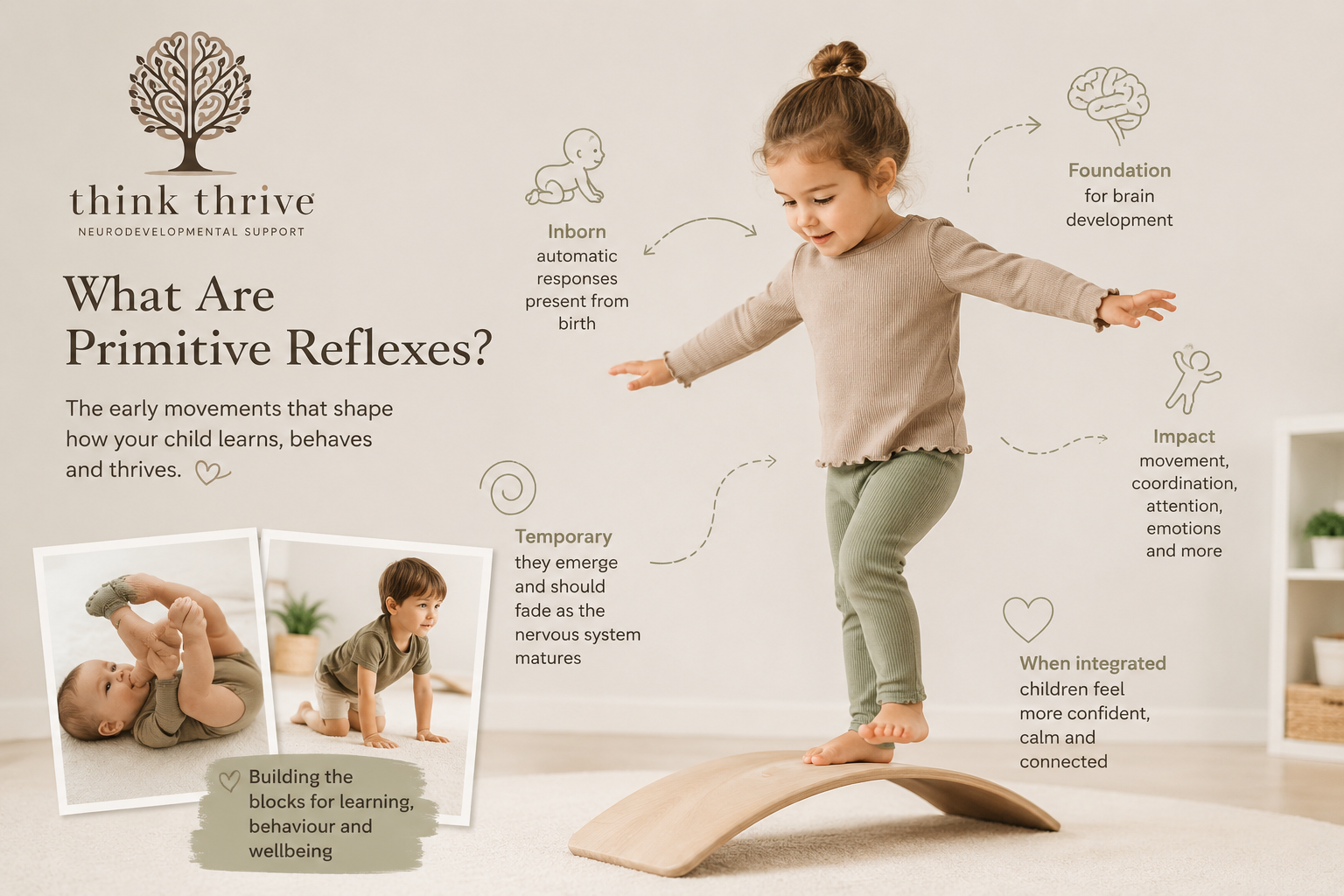
What are primitive reflexes, and what can you do if you think your child has them?
A plain-English guide to primitive reflexes, why some children need a little longer to leave them behind, and what the first steps look like if you recognise the signs in your own child.
 INPP
INPP
Why INPP? What primitive reflex integration really offers children and families
Not every childhood struggle needs a diagnosis before it can be helped. Here is what the INPP method actually does, and why families keep telling Rebecca it changed more than they expected.
 Neurodevelopment
Waiting for a Right to Choose assessment? Here is what primitive reflex integration can offer in the meantime
A Right to Choose referral can still mean many months on a waiting list, sometimes longer. Rebecca shares her own family's experience of the wait, and what primitive reflex integration offered while they were in it.
 Neurodevelopment
How INPP and Tomatis work may support children with autism and ADHD
A diagnosis is the beginning of understanding, not the end of it. For some children, neurodevelopmental approaches may help to reduce the burden the nervous system is carrying.
 For parents
What Makes Think Thrive Different: A Conversation Worth Having Before You Book Anywhere
When your child is struggling, the internet offers an overwhelming number of options. Here is an honest guide to what to look for, and the questions every parent should ask before booking.
 Primitive reflexes
Why Is My Child So Anxious? The Answer Might Be in Their Nervous System
If your child startles easily, struggles to settle, or goes from calm to overwhelmed very quickly, there may be something happening underneath all of that. It is called the Moro reflex.
 Tomatis®
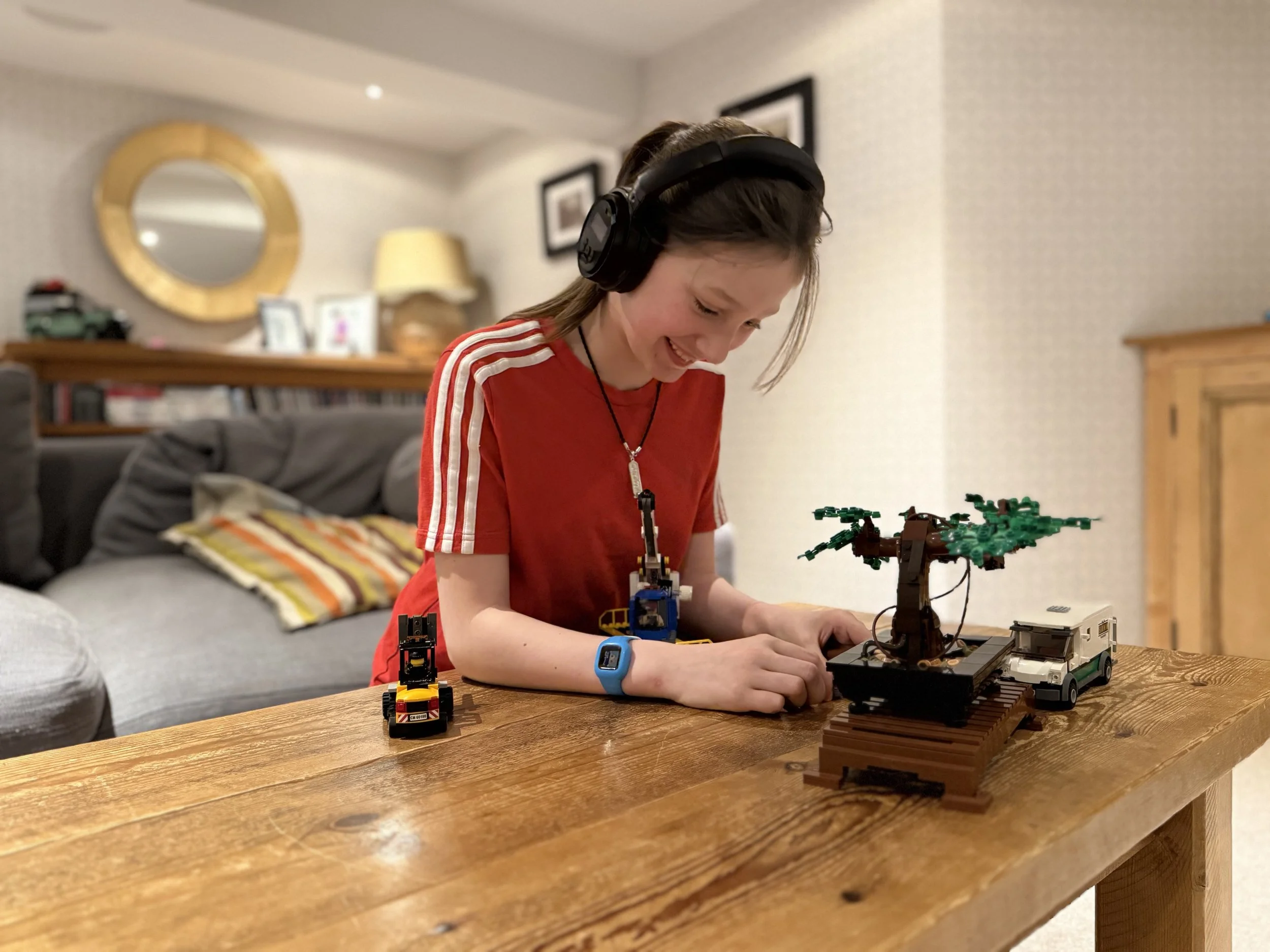
Tomatis® Listening Therapy: what it is and who it helps
The Tomatis® Method uses specially filtered music to retrain the ear and brain to listen more effectively. It can support speech, attention, sensory processing, and emotional regulation.
 For schools
How INPP Screening Can Support Whole-Class Learning
Movement-based reflex programmes delivered in the classroom are changing outcomes for children who struggle with reading, writing, and focus.
 For parents
Ten signs your child may have retained primitive reflexes
From pencil grip difficulties to emotional outbursts, retained reflexes can show up in unexpected ways. This guide helps parents understand what to look out for.
 Tomatis®
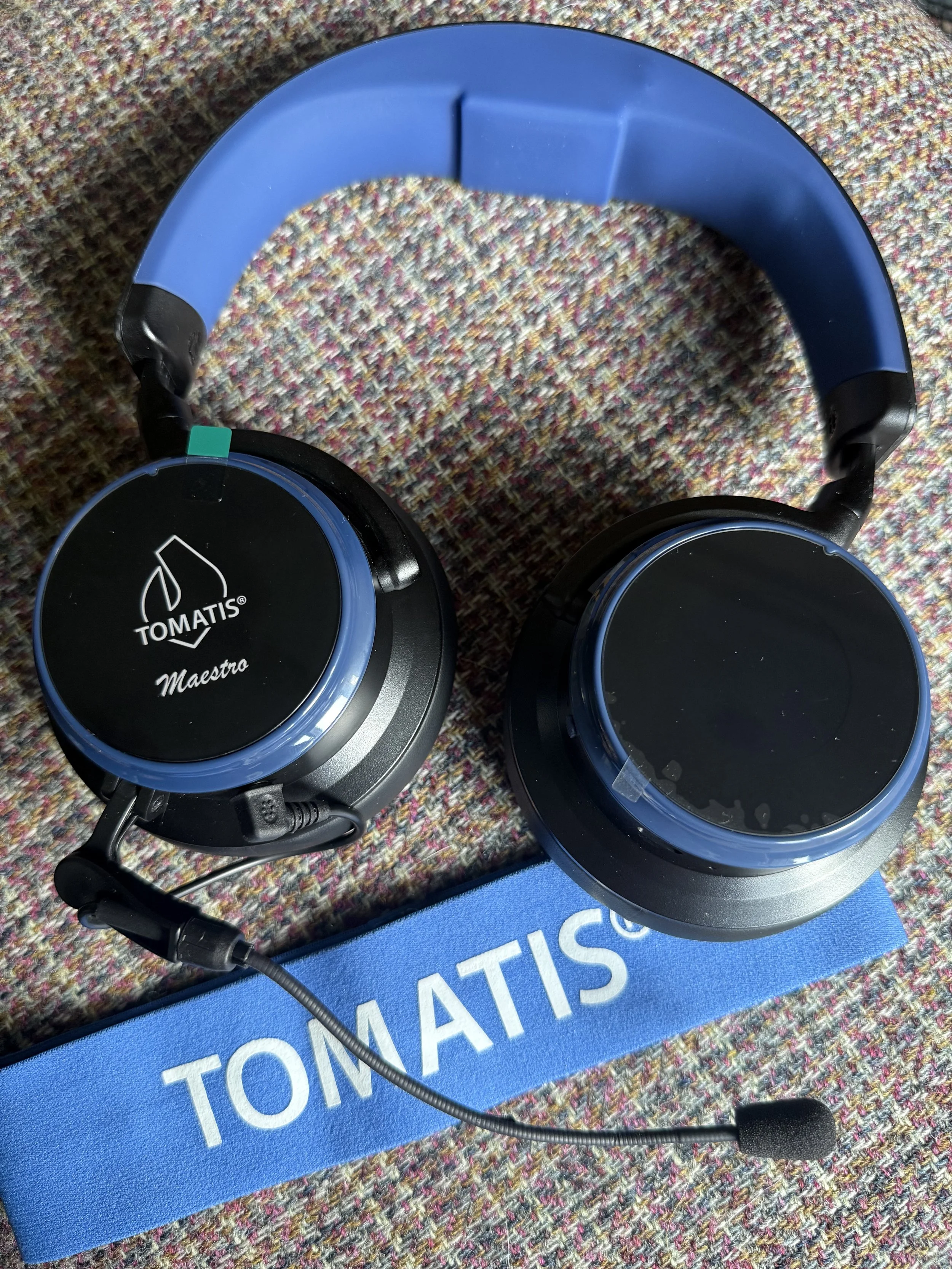
What happens at a Tomatis® Listening Test assessment?
The Listening Test maps how your child processes sound across different frequencies and helps design a personalised programme. Here is what to expect.
 Neurodevelopment
Neurodevelopment and SEND: going beyond the label
A diagnosis tells us something important, but it does not tell us everything. Neurodevelopmental approaches look at the underlying causes, not just the presenting profile.
No articles found
Try a different search term or category